Cuter Version of Mom: A Designer’s Take on Mother’s Day Embroidery
As someone who has spent countless hours hunched over an embroidery hoop, tweaking tension settings and swapping out bobbins, I have learned that not every digital file translates beautifully into thread. When I first opened the Cuter Version of Mom design, my immediate reaction was one of cautious optimism. In the world of Crafts and digital Graphics, it is easy to get lost in flashy previews that look perfect on a screen but fail miserably under the needle. This particular piece, marketed as a Mother’s Day SVG quote, promises versatility for t-shirts, posters, mugs, and more. But does it hold up when we move from pixel to stitch?
First Impressions and Visual Personality
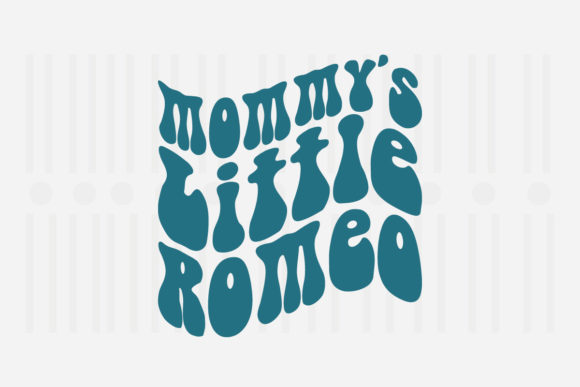
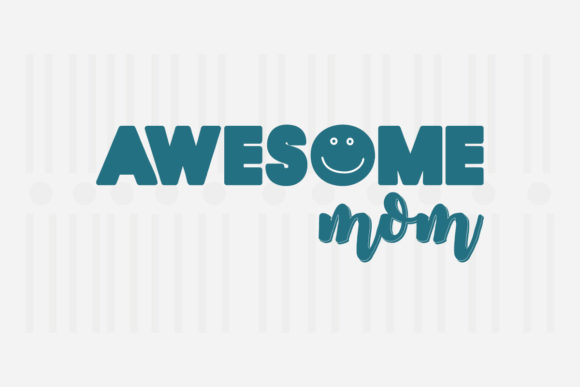
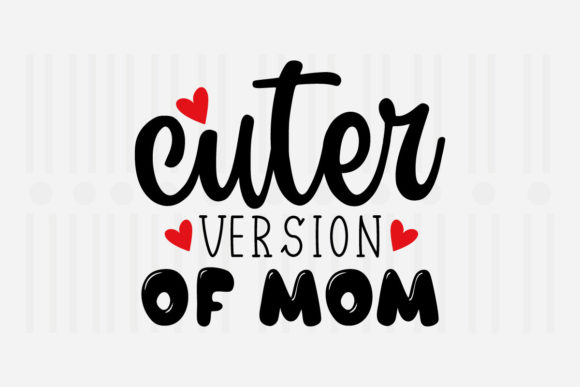
The mood of Cuter Version of Mom is undeniably warm and playful. It avoids the stiff, formal typography that often plagues holiday designs, opting instead for a layout that feels hand-drawn and approachable. For an embroidery designer, this is crucial. Stiff lines can look robotic when stitched, whereas organic shapes tend to hide minor machine inconsistencies. The visual personality here suggests a project meant for intimacy and joy rather than corporate branding. It fits naturally into the realm of personalized gifts and boutique merchandise where emotional connection drives the sale.
What stands out initially is the simplicity of the form. Complex gradients and tiny details are the enemies of efficient embroidery. This design appears to rely on clean lines and bold statements, which is a good sign for stitch clarity. However, because the product description highlights that it is a vector-based file included in EPS and SVG formats at 300dpi, we must remember that this is primarily a graphic asset. Converting it into a functional machine embroidery design requires careful digitizing or using software that can interpret these vectors into satin stitches and fill stitches effectively.
Real-World Application: The Tote Bag Test
To truly evaluate Cuter Version of Mom, I imagined a real-life scenario: preparing a custom embroidered tote bag for a local craft fair. Tote bags are popular among Etsy sellers and small shop owners because they offer a large, flat canvas. Using this design on a heavy cotton canvas would allow for robust stitching without worrying about fabric puckering.
In this context, the design’s ability to change color easily is a significant advantage. The description notes "100 Color Changeable" options. For a spring collection, I might choose soft pastels like mint green or blush pink for the thread colors. For a more modern, gender-neutral appeal, charcoal gray or navy blue would provide excellent contrast against a natural beige bag. The "ready to print" aspect suggests it works well for hybrid products, such as printing the quote on a mug while embroidering a simplified version on an apron, creating a cohesive product line for a boutique brand.
Performance on Different Fabrics
When considering custom apparel like sweatshirts or t-shirts, the behavior of the fabric changes everything. On a thick fleece sweatshirt, a design with too much density can cause stiffness. Since Cuter Version of Mom seems to focus on text and simple shapes, it likely avoids excessive fill stitches, making it suitable for sweatshirt embroidery. However, on thinner fabrics like a standard cotton t-shirt, you must be vigilant. Without proper stabilizer, even a simple design can pull the fabric out of shape. I would recommend using a cut-away stabilizer for garments that will be washed frequently, ensuring the finished product maintains its integrity.
For baby embroidery projects, such as onesies or burp cloths, softness is paramount. If you digitize this design for a baby item, consider using a running stitch or light satin stitch rather than dense fills. The "cuter" aesthetic aligns perfectly with nursery decor, but always test on scrap fabric first. Baby skin is sensitive, and the back of the embroidery should be smooth and free of harsh trimmings.
Technical Considerations for Designers
While the source files are provided in EPS and SVG, which are standard for cutting machines and printers, embroidery machines typically require DST, PES, or JEF files. This distinction is vital for craft business owners. You cannot simply load an SVG into most home embroidery machines. You will need to use digitizing software to convert the vector paths into stitch data. During this process, pay close attention to:
- Stitch Density: Ensure the design is not too dense, especially if scaling it down for smaller items like caps or patches.
- Hoop Size: Confirm the dimensions fit your available hoops. A design that looks great in a 5x7 hoop might be too large for a 4x4 cap frame.
- Small Details: Inspect any tiny serifs or decorative elements. In embroidery, anything smaller than 2mm can get lost or cause thread breaks.
The claim of "Possible and easy change color" is beneficial for creating mockups. Before committing to thread, test the design in black and white. This helps you see the contrast and structure without the distraction of color. If the design relies solely on color to define its shape, it may not stitch out clearly on textured fabrics or dark materials.
Commercial Viability and Brand Consistency
For Etsy sellers and creative entrepreneurs, the value of a design lies in its versatility and customer appeal. Cuter Version of Mom has strong potential for holiday embroidery campaigns. Mother’s Day is a peak season for personalized products. Using this design on tea towels, pillow covers, or even as an embroidered patch for denim jackets can diversify your inventory.
However, professionalism is key. Customers trust handmade products that look polished. If the digitizing is poor, with loose threads or uneven spacing, it reflects badly on your brand. Always inspect the final stitch-out. Does the text read clearly? Are the curves smooth? These details determine whether a buyer sees a cheap novelty or a high-quality keepsake.
Additionally, consider the licensing. While the file includes source assets, always confirm whether the license allows for commercial use of the finished embroidered items. Most digital graphics licenses permit selling physical products made with the design, but restrictions may apply to reselling the digital file itself. Clarifying this protects your small shop product line from legal issues.
Final Verdict
Cuter Version of Mom is a charming addition to any designer’s library, particularly for those focusing on heartfelt, family-oriented design assets. Its strength lies in its adaptability and emotional resonance. While it requires technical conversion from vector to stitch, the underlying structure supports clean, effective embroidery when handled with care. Whether you are creating a tote bag design for a spring market or a personalized gift for a client, this graphic offers a solid foundation. Just remember to respect the limitations of your machine and fabric, and always prioritize quality control in your final stitch-out.