Review: Autumn Leaves Pumpkins Please Wavy Svg for Embroidery
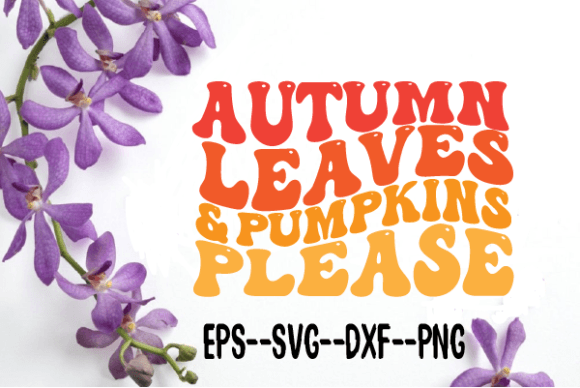
As a designer who spends half my life digitizing and the other half stitching, I have learned to look past the glossy preview images. When I first encountered Autumn Leaves Pumpkins Please Wavy Svg, my initial reaction was not just about the aesthetic appeal, but about its structural integrity for real-world application. This is a piece of digital art rooted in the Crafts category, specifically under Graphics, but its true test lies in how it translates from a screen to fabric. The wavy, retro style suggests a playful, nostalgic mood, perfect for the current trend of cozy, vintage-inspired home decor and apparel. However, nostalgia does not always stitch well if the lines are too thin or the shapes too complex.
First Impressions and Visual Personality
The design carries a distinct personality. It is not rigid; the wavy elements suggest movement and warmth, which is ideal for autumn-themed projects. For an embroidery designer, the immediate question is always about density and flow. Does the "wavy" nature create unnecessary jumps or dense clusters that could puckering the fabric? In this case, the organic curves seem to lend themselves well to smooth satin stitches or clean fill stitches, provided the digitizer has accounted for pull compensation. The theme is unmistakably seasonal, blending pumpkins with foliage in a way that feels modern rather than cliché. This visual personality makes it a strong candidate for boutique branding where customers are looking for something unique rather than mass-produced.
Real-World Application: The Tote Bag Test
To truly evaluate Autumn Leaves Pumpkins Please Wavy Svg, I imagined a specific client project: a custom embroidered tote bag for a local farmers' market vendor. The client wanted something eye-catching but durable. Here, the design’s layout becomes critical. A tote bag offers a large, flat canvas, which is forgiving for larger designs. However, the wavy edges require precise stitching to maintain their shape. If the stitch density is too low, the waves might look jagged. If it is too high, the canvas could stiffen uncomfortably.
In this scenario, using a medium-weight stabilizer is non-negotiable. The design would likely perform best as a fill stitch application rather than pure satin, given the organic shapes. The result would be a textured, tactile handmade product that invites touch. Customers often judge quality by feel, and a well-executed embroidery project on a tote bag signals durability and care. This is where the design adds value—it transforms a simple bag into a statement piece.
Versatility Across Products
Beyond tote bags, this design has potential in various custom apparel items. For a sweatshirt embroidery project, the retro vibe fits perfectly with the current fashion landscape. Placed on the left chest or as a larger back print, it can serve as a subtle nod to the season without being overwhelming. However, one must consider the fabric texture. Fleece and heavy cotton blends handle fill stitches well, but lighter jerseys might require a cut-away stabilizer to prevent distortion.
For baby embroidery, caution is advised. While the theme is cute, the complexity of the leaves and pumpkins might be too detailed for tiny garments unless scaled down significantly. Small details can get lost or become scratchy if the thread count is too high. In contrast, for holiday embroidery on pillow covers or kitchen towels, the design shines. These items allow for larger hoop sizes, giving the wavy elements room to breathe. A personalized gift featuring this design on a linen tea towel feels elevated and thoughtful, appealing to buyers who appreciate artisanal quality.
Technical Considerations for Stitching
Before loading this into your machine, there are practical steps to take. First, always test the design on scrap fabric similar to your final material. Check the thread colors against the fabric background. High contrast is key for visibility, especially with intricate shapes. If you are using dark fabric, ensure the design includes underlay stitches to prevent the background color from showing through the top stitches.
Another critical factor is the hoop size. Ensure your frame can accommodate the full width of the wavy elements without cropping. If the design is too large for your standard hoop, consider splitting it or choosing a smaller application area, such as a pocket on a shirt. Also, inspect the small details. Are the tips of the leaves sharp enough to stitch cleanly, or will they bunch up? Adjusting the pull compensation in your digitizing software can help mitigate this.
Navigating File Formats and Licensing
It is important to note the technical specifications provided with Autumn Leaves Pumpkins Please Wavy Svg. The description states it is a "wavy retro svg sublimation Design" and includes 1 DXF file and 1 EPS file. As an experienced reviewer, I must highlight a crucial distinction: DXF and EPS are vector graphics formats, commonly used for cutting machines like Cricut or Silhouette, and for sublimation printing. They are not native machine embroidery files (such as PES, DST, or JEF).
This means you cannot directly load these files into an embroidery machine. You will need to use embroidery digitizing software to convert the vector shapes into stitch data, or hire a digitizer. This step is vital for maintaining control over stitch density and direction. If you are an Etsy seller or run a craft business, understanding this workflow is essential. You are buying a graphic asset, not a ready-to-stitch embroidery file. This offers flexibility—you can customize the stitch types—but it requires skill. Always confirm licensing terms before selling finished items. Most commercial licenses allow you to sell physical products made with the design, but reselling the digital file itself is typically prohibited.
Final Verdict for Designers and Makers
Autumn Leaves Pumpkins Please Wavy Svg is a versatile graphic asset with strong potential for embroidery when handled correctly. Its retro aesthetic appeals to a broad audience, from small shop product buyers to those seeking unique personalized gifts. The wavy lines add character, but they demand respect in the digitizing process. Do not rush the conversion from vector to stitch. Take the time to refine the pathing, choose appropriate stabilizers, and test on various fabrics.
For those willing to put in the effort, this design can elevate your commercial embroidery portfolio. It works beautifully on sturdy items like tote bags and pillows, and with careful scaling, it can adorn apparel. Just remember that the quality of the final finished product depends less on the original SVG and more on your expertise in translating it into thread. Use it as a foundation, not a shortcut, and your customers will notice the difference in professionalism and care.