Review: Boxing Dad Retro Wavy SVG for Sublimation
As a designer who spends half my life staring at stitch maps and the other half managing client expectations, I have learned that not every graphic translates well to physical products. When I first encountered Boxing Dad Retro Wavy Svg Sublimation, my initial reaction was one of cautious optimism. The retro wavy aesthetic is undeniably trendy, tapping into that nostalgic 70s vibe that dominates current craft trends. However, evaluating a digital asset requires looking past the screen preview to understand how it performs in the real world of handmade goods and small business merchandise.
First Impressions and Visual Personality
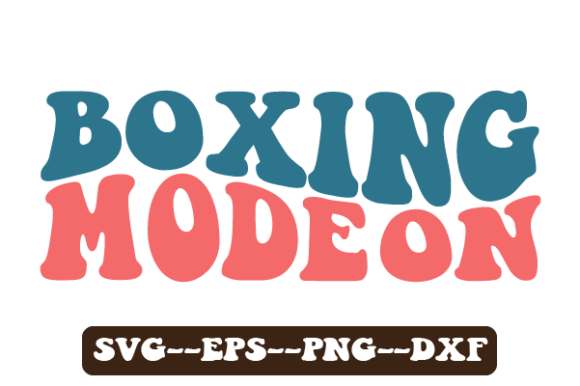
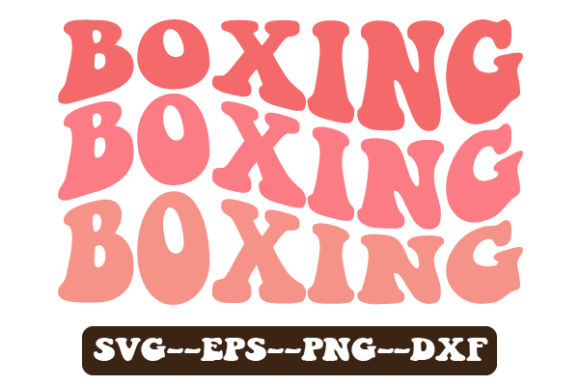
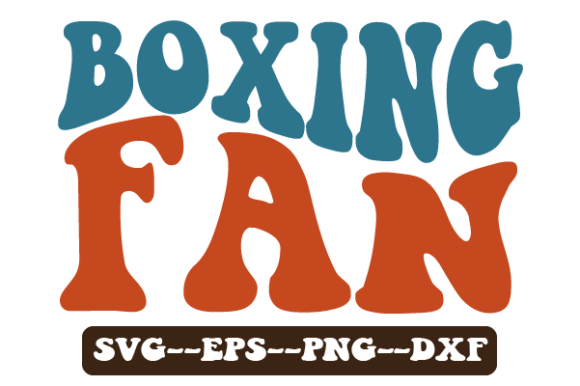
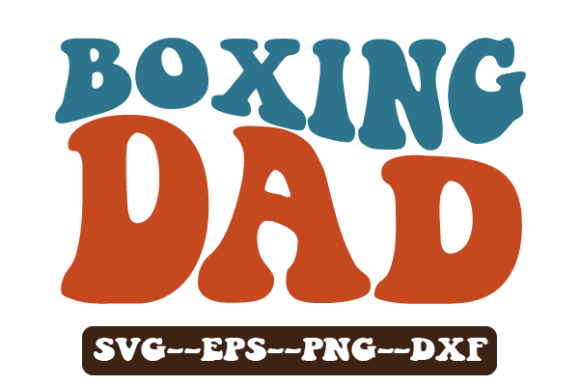
The design immediately strikes a balance between playful and bold. The "Boxing Dad" theme suggests a specific niche audience: fathers who enjoy fitness, boxing enthusiasts, or families looking for humorous, personalized gifts. The wavy typography adds movement, preventing the text from feeling static or overly aggressive. For those of us in the Crafts and Graphics space, this visual personality is crucial. It is not just a label; it is a statement piece.
What stands out is the layout. The curvature of the text creates a natural frame, which is excellent for placement on curved surfaces like mugs or the chest area of a t-shirt. The detail level appears moderate, which is generally a good sign for versatility. It is not so intricate that it will vanish on a textured fabric, nor so simple that it looks amateurish. This balance makes it a strong candidate for both personal projects and commercial embroidery ventures.
Real-World Application: The Custom Sweatshirt Test
To truly evaluate Boxing Dad Retro Wavy Svg Sublimation, I mentally placed it into a recent project scenario: a custom order for a boutique client wanting matching family sweatshirts for a birthday gift. The client wanted something that felt high-quality but fun. Here is where the distinction between sublimation and embroidery becomes critical.
The product description notes that you receive DXF, EPS, and SVG files. These are vector formats, primarily used for cutting machines, printing, and sublimation. If you are running a sublimation business, this design is ready to go. You can print it onto sublimation paper and transfer it directly onto polyester-blend fabrics. The result on a white or light-colored polyester sweatshirt would be vibrant, with the colors popping against the fabric. The retro color palette typically associated with these wavy designs tends to hold up well under heat pressing, provided your printer profile is calibrated correctly.
However, if you are an embroidery designer looking to convert this for machine stitching, you must proceed with intention. While the SVG provides the shape, it does not provide the stitch data. You would need to digitize this manually or use auto-digitizing software with careful manual editing. The wavy letters pose a challenge for satin stitches due to their curvature. You would likely need to break the letters into smaller segments or use a fill stitch with a running stitch border to maintain clarity without causing puckering.
Material Considerations and Fabric Texture
One of the most important aspects of using any digital embroidery file or sublimation design is understanding the substrate. For sublimation, this design shines on smooth, light-colored polyester. Attempting to sublimate this onto dark cotton or rough canvas will result in a muted, washed-out look that fails to capture the retro energy.
If you are adapting this for an embroidered patch or direct-to-garment embroidery, consider the thread colors carefully. The wavy nature of the font means that contrast is key. On a navy blue hoodie, using bright red or orange thread would make the "Boxing Dad" text legible and eye-catching. On a heather grey tee, you might need a darker thread or a backing applique to ensure the design does not blend into the fabric texture.
Be mindful of stitch density if you digitize this yourself. Dense stitching on stretchy fabrics like jersey knits can cause distortion. Using a proper stabilizer is non-negotiable here. For a tote bag design made of canvas, the fabric is stable enough to handle higher density, but for a baby embroidery project on a onesie, you must keep the stitch count low and the design size appropriate to avoid stiffness.
Commercial Viability for Etsy Sellers
For Etsy sellers and small shop owners, this design offers versatility. It fits neatly into several profitable categories: Father’s Day gifts, sports-themed decor, and humorous apparel. The retro style is currently evergreen, meaning it does not feel tied to a fleeting micro-trend. This longevity increases the return on investment for your design assets.
When creating printable mockups for your online store, ensure you show the design in context. A flat image of the SVG is less compelling than a photo of the design on a mug or a folded t-shirt. Customers need to visualize the finished product. Since the package includes EPS and DXF files, you can also offer this as a cut file for vinyl users, expanding your customer base beyond just sublimation printers.
Practical Designer Notes
- Test on Scrap Fabric: Always run a test stitch or sublimation press on a scrap piece of your intended material before committing to the final product.
- Check Licensing: Before selling commercial embroidery items or digital products, confirm the license terms included with the download. Ensure you have the right to sell physical finished items.
- Contrast is Key: Use black and white mockups to check legibility. If the design disappears in grayscale, it may lack sufficient contrast for certain fabric colors.
- Hoop Size Awareness: If digitizing for embroidery, ensure the design fits within standard hoop sizes (like 4x4 or 5x7) to maximize machine compatibility.
- File Format Utility: Remember that SVG, DXF, and EPS are vector formats. They are ideal for scaling without quality loss, which is perfect for resizing the design for different products like mugs versus pillows.
Final Verdict
Boxing Dad Retro Wavy Svg Sublimation is a solid addition to any designer’s library, particularly for those focusing on gift-oriented niches. Its strength lies in its trendy aesthetic and clear thematic appeal. While it is optimized for sublimation, its vector nature allows for creative adaptation into embroidery and vinyl projects with some technical know-how. For the creative entrepreneur willing to put in the prep work—whether that is calibrating a heat press or refining a digitized stitch path—this design offers genuine value. It is not just a graphic; it is a tool for creating memorable, personalized items that resonate with buyers looking for that perfect mix of humor and style.