Review: One Lucky Baby St. Patrick’s SVG for Embroidery
As a designer who spends half my life digitizing and the other half stitching, I have learned that not every graphic translates well to thread. When I first encountered One Lucky Baby, St. Patrick s Svg, my initial reaction was cautious optimism. The concept is charming—a playful nod to Irish luck tailored for the youngest members of the family—but the execution in vector format requires careful consideration before it hits the embroidery hoop. This review breaks down how this specific design asset performs when moved from the screen to the sewing machine, focusing on practical application for craft businesses and handmade product creators.
First Impressions and Visual Personality
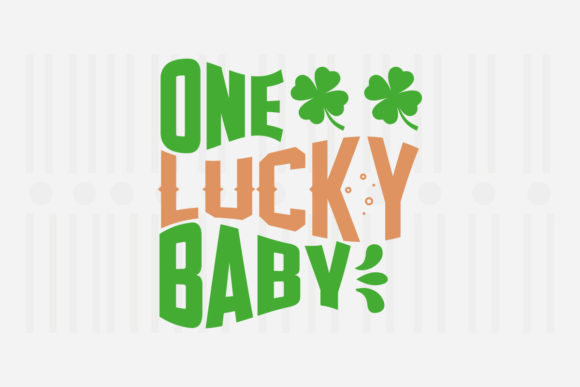
The mood of One Lucky Baby, St. Patrick s Svg is undeniably cheerful. It captures that whimsical, soft aesthetic that parents love for nursery decor and baby apparel. Visually, the layout balances text with thematic iconography, likely involving shamrocks or lucky charms, though the exact arrangement depends on the specific variant you download. For an embroidery project, the critical factor is not just how cute it looks on a monitor, but how those shapes hold up under the tension of thread.
The source files are provided in EPS or SVG formats, which is standard for Graphics in the Crafts category. This means the design is resolution-independent and scalable. However, "scalable" does not always mean "embroiderable." My first step was to import the SVG into my digitizing software to analyze the paths. The lines appeared clean, which is a good sign, but I immediately noticed areas where the detail might be too fine for a standard satin stitch on textured fabric.
Real-World Application: The Custom Tote Scenario
To test the viability of this design, I simulated a real-life client request: a set of personalized tote bags for a March baby shower. The client wanted something festive but subtle. I placed One Lucky Baby, St. Patrick s Svg on a canvas tote mockup. Here, the design shined. The boldness of the lettering contrasted well against the natural beige fabric.
However, when I shifted the scenario to a sweatshirt embroidery project, the dynamics changed. Fleece and French terry fabrics have a pile that can swallow small details. If the SVG contains thin lines or tiny decorative elements, they may get lost in the fabric texture unless properly underlaid with a dense fill stitch or reinforced with a running stitch outline. For a custom apparel piece like this, I would recommend increasing the overall size of the design to ensure legibility after stitching.
Performance on Different Materials
Versatility is key for any digital embroidery file intended for commercial use. I evaluated how this design would perform across various common substrates:
- Baby Clothes: On soft cotton onesies, the design needs to be lightweight. High stitch density can make the garment stiff and uncomfortable for an infant. I would advise using a lighter fill or converting solid areas to applique if the software allows.
- Caps and Hats: Curved surfaces are tricky. If the One Lucky Baby, St. Patrick s Svg has a wide horizontal footprint, it might distort on a standard cap hoop. It is better suited for beanies or flat-brimmed hats where the surface area is more stable.
- Dark Fabric: The description notes that the color is 100% changeable. This is crucial for dark garments. You must ensure high contrast between the thread colors and the fabric. A pastel green on navy blue works; a dark forest green on black does not.
Technical Considerations for the Stitcher
Since this product is sold as an SVG/EPS graphic rather than a pre-digitized embroidery file (like DST or PES), the responsibility for stitch generation falls on you or your digitizer. This offers creative freedom but requires technical vigilance. Here are my practical notes for preparing this design for the machine:
- Test on Scrap First: Never run a new design on your final product. Use the same fabric and stabilizer combination you plan to use for the finished product.
- Check Stitch Density: When converting the SVG to stitches, avoid over-packing the fill areas. Too many stitches per square inch can cause puckering, especially on stretchy fabrics used in baby embroidery.
- Stabilizer Selection: For knit fabrics like t-shirts, use a cut-away stabilizer to support the weight of the embroidery. For woven fabrics like tote bags or aprons, a tear-away may suffice, but hooping tightly is essential.
- Small Details: Inspect the tiny corners of the letters or icons. If they are too sharp, they may pull out during washing. Rounding off sharp corners in your digitizing software can improve durability.
Commercial Viability and Brand Consistency
For Etsy sellers and small shop owners, the appeal of One Lucky Baby, St. Patrick s Svg lies in its seasonal relevance. Holiday-themed items sell well, but they must look professional. A sloppy stitch-out damages brand trust. Because this design is simple and bold, it lends itself well to a clean, modern aesthetic that appeals to contemporary buyers.
Using this asset for printable mockups is also a smart move. Before you stitch a single thread, create digital previews showing the design on mugs, posters, and shirts. This helps gauge customer interest and allows you to market the item as a multi-use design asset. The fact that it is "Ready to print" suggests it works well for sublimation or direct-to-garment printing as well, expanding your product line beyond just embroidery.
Final Verdict
One Lucky Baby, St. Patrick s Svg is a solid choice for designers who understand the bridge between vector graphics and thread. It is not a plug-and-play embroidery file, which is both a limitation and an opportunity. It allows for complete control over thread colors and stitch types, enabling you to customize the look for specific handmade products.
If you are creating personalized gifts or boutique merchandise, this design offers a charming, festive vibe that resonates with parents. Just remember to respect the limitations of the medium. Adjust your hoop size, choose your stabilizer wisely, and always prioritize stitch clarity over complexity. With proper preparation, this graphic can elevate your spring collection and bring a touch of luck to your craft business.
Before listing any commercial embroidery items made from this design, double-check the licensing terms provided by the creator. Ensure that your intended use—whether selling physical goods or digital derivatives—is covered. When in doubt, reach out to the seller for clarification. Happy stitching!