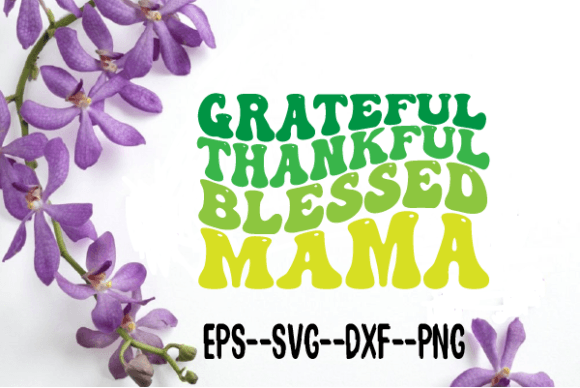
Reviewing Grateful Thankful Blessed Retro Wavy Svg
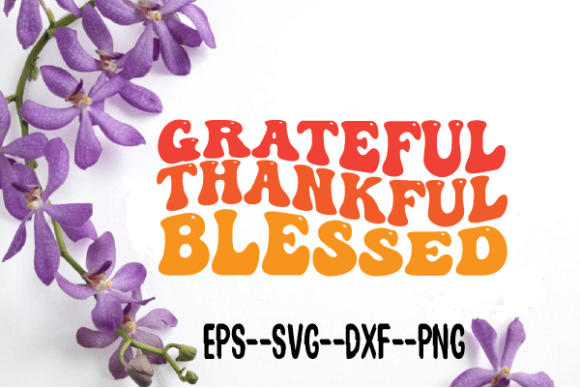
As a designer who has spent countless hours digitizing and stitching out files for clients, I have learned that not every graphic translates well to thread. When I first pulled up the Grateful Thankful Blessed Retro Wavy Svg, my initial reaction was one of cautious optimism. The retro wavy aesthetic is undeniably popular right now, dominating social feeds and boutique storefronts alike. However, seeing a design on a screen is vastly different from watching it come to life under a needle. This review breaks down how this specific asset performs when moved from a digital concept to a tangible, stitched reality.
First Impressions and Visual Mood
The immediate appeal of this design lies in its nostalgic warmth. The wavy typography creates a sense of movement and softness that rigid, blocky fonts often lack. For embroidery designers, this fluidity presents both an opportunity and a challenge. The mood is welcoming and grounded, making it an ideal candidate for home goods and comfort wear. It does not scream for attention with aggressive lines; instead, it invites a closer look. When evaluating graphics for real project use, I always ask: does this design have enough visual weight to stand out on fabric? In this case, the bold, rounded nature of the retro lettering suggests it will hold its own, provided the stitch density is managed correctly.
Real-World Application: The Tote Bag Test
To truly understand the viability of any design, I imagine it in a specific product context. Let’s consider a custom embroidered tote bag, a staple for many craft businesses and Etsy sellers. Canvas is a forgiving yet textured medium. If I were using this design for a tote, I would likely opt for a larger hoop size to allow the wavy text to breathe. The curvature of the letters complements the natural drape of a canvas bag.
However, because this is provided as an SVG, EPS, and DXF file set, it is technically a cut file or sublimation print source rather than a pre-digitized machine embroidery design. This distinction is critical. As a reviewer, I must clarify that you cannot simply plug an SVG into your embroidery machine. You must either use it for sublimation printing on polyester blanks—such as mugs, pillows, or specific sublimation-friendly t-shirts—or hire a digitizer to convert the vector shapes into a proper embroidery file with satin stitches and fill stitches. If you choose the latter, the clean lines of the SVG make it an excellent base for digitization, allowing for precise control over stitch direction.
Material Considerations and Stitching Challenges
If you are planning to use this graphic for sublimation, the process is straightforward: print and press. But if you are converting this into an embroidered piece, several factors come into play. The "wavy" nature of the text means there are no sharp corners, which is good for reducing thread breaks. However, the thickness of the letters matters. If the waves are too thin, they may disappear on textured fabrics like terry cloth towels or chunky knit sweatshirts.
For those creating handmade products like baby embroidery items or personalized gifts, fabric choice is paramount. On stretchy fabrics, such as jersey knits for t-shirts, a sturdy stabilizer is non-negotiable. Without it, the wavy lines could distort during stitching, ruining the retro vibe. I recommend testing the design on scrap fabric first. Check how the thread colors contrast against the background. A dark thread on a dark fabric will mute the message, while high-contrast combinations will make the "Grateful Thankful Blessed" sentiment pop.
Commercial Viability for Small Shops
For small shop owners and creative entrepreneurs, this design fits squarely into the current trend of mindfulness and gratitude-themed decor. It works exceptionally well for holiday embroidery projects, particularly around Thanksgiving or as year-round nursery decor. The versatility of the file formats—DXF, EPS, and SVG—means you can create a cohesive brand line. You might sublimate the design onto a mug for a coffee lover, print it on a pillow cover for home decor, or use it as a base for a vinyl heat transfer on apparel.
When selling finished products, presentation is key. A well-executed version of this design can enhance customer trust and perceived value. It feels thoughtful and curated. However, be mindful of licensing. Since this is a digital asset, ensure you understand the terms for commercial use. Most designers allow you to sell physical items made with their files, but reselling the digital file itself is typically prohibited. Always confirm these details before listing items on Etsy or at craft fairs.
Practical Designer Notes
Before committing to a large production run or a high-stakes client gift, keep these practical tips in mind:
- Verify File Usage: Remember that SVG, EPS, and DXF are vector graphics. They are perfect for cutting machines (like Cricut or Silhouette) and sublimation printing. For machine embroidery, you need a digitized file (PES, DST, etc.). Do not attempt to embroider directly from an SVG without conversion.
- Test on Scrap Fabric: Always stitch or press a test sample. Check for puckering on lightweight fabrics and ensure the ink bonds properly on sublimation blanks.
- Color Contrast: Use mockups to visualize the design on both light and dark backgrounds. Retro designs often benefit from muted, earthy tones or vibrant vintage palettes.
- Stabilizer Selection: If digitizing for embroidery, match your stabilizer to your fabric. Cut-away stabilizers are best for stretchy knits, while tear-away works for stable woven cottons.
- Scale Appropriately: Ensure the text remains legible at your chosen size. Tiny lettering can get lost in the texture of a towel or blanket.
Final Verdict
The Grateful Thankful Blessed Retro Wavy Svg is a strong contender for makers looking to tap into the gratitude niche. Its strength lies in its adaptability across different crafts, from sublimation on hard goods to potential digitization for apparel. While it requires an extra step if you are an embroiderer rather than a printer, the clean vector lines provide a solid foundation for high-quality results. For Etsy sellers and boutique owners, this design offers a professional, trendy aesthetic that resonates with buyers seeking meaningful, personalized items. Just remember to respect the technical limitations of the file types provided and plan your production method accordingly.