Reviewing Together for Kwanzaa Retro Wavy Svg
As a designer who has spent years digitizing patterns and troubleshooting stitch-outs on various machines, I approach every new machine embroidery design with a critical eye. It is not just about whether the image looks pretty on a screen; it is about how it translates to thread, fabric, and ultimately, the customer’s hands. Recently, I evaluated the Together for Kwanzaa Retro Wavy Svg to determine its viability for real-world projects. While this asset is marketed primarily as a sublimation and printable design within the Crafts category, its visual structure offers interesting possibilities for embroidery if handled with care.
First Impressions and Visual Mood
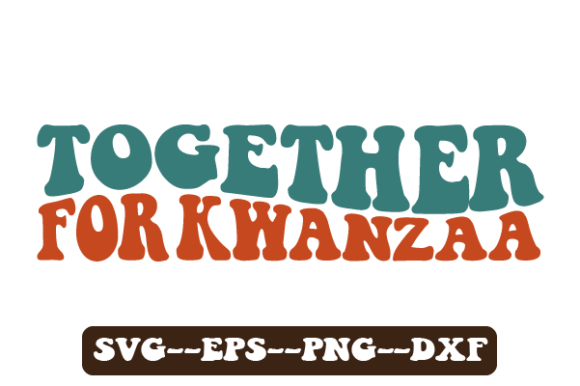
The first thing that strikes you about the Together for Kwanzaa Retro Wavy Svg is its nostalgic energy. The wavy typography and retro aesthetic evoke a sense of warmth, community, and celebration, which aligns perfectly with the spirit of Kwanzaa. For an embroidery designer, the layout suggests a bold statement piece rather than a delicate accent. The curves are fluid, and the spacing appears generous, which is generally a good sign for stitch clarity. However, because this file is provided in vector formats like DXF, EPS, and SVG, it requires careful preparation before it becomes a functional embroidery file.
When I visualize this design on a product, I see it working best on items that allow for a larger hoop size. The retro vibe pairs naturally with modern handmade aesthetics, making it a strong candidate for boutique branding or holiday-themed merchandise. It does not feel like a generic clipart addition; it feels like a centerpiece.
Real-World Application: The Tote Bag Test
To test the practicality of this design, I imagined a specific scenario: creating a limited run of canvas tote bags for a local community market. Canvas is a sturdy fabric that holds up well to dense stitching, making it an ideal candidate for bold graphics. If I were to digitize this Graphics asset for embroidery, I would focus on maintaining the integrity of the wavy lines.
For a project like this, the design would serve as a powerful tote bag design that draws attention. Customers often look for items that express identity and values, and a well-executed Kwanzaa theme can resonate deeply. The key here is contrast. Using traditional Kwanzaa colors—red, black, and green—in high-quality rayon or polyester threads would make the design pop against a natural or cream-colored canvas. This approach transforms a simple digital asset into a valuable handmade product that customers are willing to pay a premium for.
Apparel and Home Decor Considerations
Beyond totes, this design has potential for sweatshirt embroidery. A crewneck sweatshirt provides a large, flat surface area that can accommodate the width of the retro text. However, one must be cautious with stretchy fabrics. If the design is too dense, it can cause puckering. In such cases, using a cut-away stabilizer is non-negotiable to ensure the finished product remains flat and professional.
For home decor, such as a pillow cover or tea towel, the design could work as a focal point. However, pillow covers often undergo frequent washing and handling. Therefore, the stitch density must be balanced. Too many fill stitches can make the fabric stiff, while too few can leave gaps. An experienced digitizer would likely use a combination of satin stitches for outlines and lighter fill patterns for larger areas to maintain softness.
Technical Challenges and Limitations
It is crucial to address the limitations of using a vector graphic intended for sublimation in an embroidery context. Since the Together for Kwanzaa Retro Wavy Svg is not a pre-digitized embroidery file, you cannot simply load it into your machine. You must digitize it yourself or hire a professional. This process involves defining stitch types, such as satin stitch, running stitch, and fill areas, as well as setting underlay stitches to secure the fabric.
Small details can be problematic. If the wavy lines have tight corners or thin segments, they may not stitch out cleanly at smaller sizes. I recommend avoiding this design for small hoop sizes, such as 4x4 inches, unless you significantly simplify the geometry. Additionally, curved surfaces like caps require special attention. The distortion caused by the cap’s curve can warp the wavy text, so extensive testing on scrap fabric is essential before committing to a final embroidered patch or hat.
Enhancing Product Value and Brand Trust
For Etsy sellers and small shop owners, the quality of the final stitched product directly impacts brand consistency and customer trust. A poorly digitized version of this design could look amateurish, with thread breaks or uneven tension. Conversely, a well-executed version elevates the perceived value of the item. It signals professionalism and care, which encourages repeat business and positive reviews.
When creating personalized gift options, consider offering this design in various colorways. Testing the design in black and white mockups can help you understand the contrast and readability before threading the machine. This step is vital for ensuring that the design remains legible on both light and dark fabrics.
Practical Notes for Designers
Before integrating this asset into your craft business workflow, keep these practical tips in mind:
- Test on Scrap Fabric: Always stitch out a test sample on the same type of fabric you intend to use for the final product. This helps identify issues with tension, density, or registration.
- Check Thread Color Contrast: Ensure that the thread colors stand out against the fabric background. Low contrast can make the design disappear from a distance.
- Verify Licensing: Although you receive DXF, EPS, and SVG files, confirm the license terms for commercial use. Ensure you are allowed to sell finished items created with designs derived from these vectors.
- Adjust Stitch Density: Vector files do not have inherent stitch density. You must define this during digitization to prevent fabric distortion or thread waste.
- Use Proper Stabilizer: Match the stabilizer to the fabric weight. Heavier fabrics may need less support, while lightweight or stretchy materials require robust stabilization.
In conclusion, the Together for Kwanzaa Retro Wavy Svg is a versatile visual asset that, when properly digitized, can enhance a variety of commercial embroidery projects. It requires technical skill to translate from a sublimation-ready graphic to a stitch-ready file, but the result can be a striking addition to your holiday collection. By paying attention to fabric choice, stabilizer selection, and stitch parameters, you can create high-quality custom apparel and decor that celebrates the season with style and professionalism.