Cat with Flowers Retro Wavy Svg: A Designer’s Review
As a designer who has spent countless hours digitizing and stitching out embroidery files, I have learned that not every graphic translates well to thread. When I first encountered the Cat with Flowers Retro Wavy Svg, my initial reaction was one of cautious optimism. The retro wavy aesthetic is currently dominating social media feeds and boutique storefronts, but translating that flat, vector-based look into a tactile machine embroidery design requires careful consideration of stitch types and density.
This review is written from the perspective of someone who needs to know if this asset will hold up in real-world production. Whether you are an Etsy seller looking for your next best-seller or a hobbyist making personalized gifts for friends, understanding how this design behaves on fabric is crucial before you commit to a full production run.
First Impressions and Visual Personality
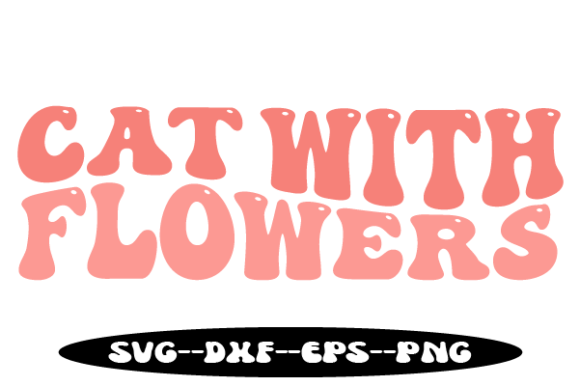
The mood of this design is undeniably cheerful and nostalgic. The combination of a feline subject with floral elements and distorted, wavy typography creates a playful vibe that appeals to a broad demographic. For those working in Crafts and digital Graphics, the appeal is obvious. However, as an embroidery reviewer, I look past the screen preview. I ask myself: will those wavy lines look crisp when stitched? Will the flowers blend into the cat’s silhouette?
In its current form as a sublimation and printable design, the lines are clean. But remember, you are receiving DXF, EPS, and SVG files. These are vector graphics intended for cutting machines or printing, not necessarily pre-digitized embroidery files with defined stitch paths. This distinction is vital. If you plan to use this for embroidery, you must either digitize it yourself or ensure your software can convert these vectors into efficient stitch patterns without creating excessive jump stitches or dense clusters.
Real-World Application: The Tote Bag Test
To evaluate the practicality of the Cat with Flowers Retro Wavy Svg, I mentally placed it on a canvas tote bag. This is a common item for small business owners and craft fair vendors. The design’s horizontal layout fits well across the center of a standard tote. The retro waves provide a natural frame that draws the eye inward toward the cat.
When considering tote bag design, durability is key. A tote gets tossed around, washed, and overloaded. If this design were stitched using heavy fill stitch areas for the cat and flowers, it might become stiff. My recommendation would be to use a mix of satin stitch for the outlines and lighter fill or even running stitch details for the floral accents. This keeps the fabric flexible and prevents the "cardboard effect" that plagues poorly digitized large designs.
Versatility Across Products
Beyond totes, this design shows promise for various custom apparel items. Imagine this stitched on the back of a oversized sweatshirt. The retro vibe pairs perfectly with the current trend of vintage-inspired loungewear. For sweatshirt embroidery, you have the advantage of a thick fabric that can support higher stitch density without puckering. However, you must still be mindful of the hoop size. Ensure your design fits within your machine’s maximum area, especially if you are scaling the wavy text elements.
For smaller items like baby embroidery projects or onesies, caution is advised. The intricate details of the flowers and the specific curves of the wavy text might get lost if scaled down too far. On a small hoop size, such as a 4x4 inch frame, you may need to simplify the design, removing some of the smaller floral elements to maintain clarity. An embroidered patch could be a smart alternative here, allowing you to stitch the design on stable backing before applying it to delicate baby fabrics.
Technical Considerations for Embroiderers
Since the product description lists SVG, DXF, and EPS files, it is important to clarify that these are not native embroidery formats like PES or DST. You will need to import these design assets into embroidery software to create the actual stitch file. During this process, pay close attention to the following:
- Stitch Density: Retro designs often rely on bold shapes. Avoid over-digitizing. Too many stitches in the wavy text can cause thread breaks or fabric distortion.
- Thread Colors: The charm of this design lies in its color palette. Use high-contrast thread colors to make the cat pop against the background. Test your design in black and white mockups first to ensure the shapes remain distinct without color reliance.
- Stabilizer Choice: For stretchy fabrics like t-shirts, a cut-away stabilizer is non-negotiable. For woven fabrics like pillow covers or aprons, a tear-away may suffice, but always test on scrap fabric first.
Additionally, consider the fabric texture. On textured towels or fuzzy blankets, fine details in the flowers might disappear. In such cases, increasing the stroke width of the vector lines before digitizing can help maintain visibility in the finished product.
Commercial Viability and Branding
For craft business owners, consistency is brand currency. The Cat with Flowers Retro Wavy Svg offers a cohesive look that can be adapted across multiple products, from mugs via sublimation to shirts via embroidery. This versatility allows you to create a coordinated collection, which increases perceived value and customer trust. When buyers see a matching tote and t-shirt, they perceive a professional, thoughtful brand rather than a random assortment of items.
However, always verify licensing terms. While the files are provided for creating physical products like sublimation items, T-shirts, mugs, and pillows, ensure that your intended use aligns with the creator’s commercial rights policy. If you are selling digital embroidery files derived from this SVG, you must confirm that derivative works are permitted. Most designers allow selling finished physical items but restrict the resale of the digital file itself.
Final Verdict
The Cat with Flowers Retro Wavy Svg is a strong contender for modern makers. Its aesthetic is on-trend, and its layout is adaptable. However, its success in embroidery depends entirely on your digitizing skills or the quality of the conversion process. It is not a plug-and-play embroidery file out of the box, but rather a high-quality graphic asset ready for translation into thread.
If you are willing to put in the work to adjust stitch types and densities, this design can elevate your handmade product line. It works beautifully for holiday gifts, boutique branding, and everyday carry items. Just remember to respect the limitations of the medium: keep stitches balanced, choose the right stabilizer, and always test before you sell. With careful execution, this retro cat can become a staple in your small shop product lineup.