Minding My Own Small Business: A Designer’s Review
As an embroidery designer who has spent years digitizing files and testing them on everything from stiff denim to delicate baby onesies, I approach every new machine embroidery design with a critical eye. It is not just about whether the image looks cute on a screen; it is about how it translates into thread, how it behaves under the needle, and ultimately, how it performs as a sellable asset for a craft business. Recently, I evaluated the Minding My Own Small Business Half Svg, a piece that sits at the intersection of digital graphics and tangible textile art. While marketed primarily as a sublimation and printable design, its visual language offers significant potential for embroidery projects when handled with the right technical considerations.
First Impressions and Visual Personality
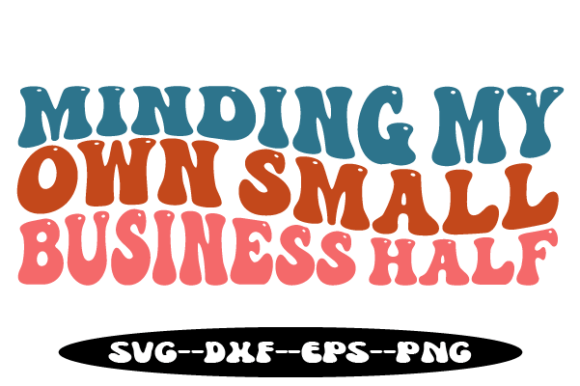
The first thing that strikes you about this design is its retro wavy aesthetic. It captures a specific mood that is currently dominating the handmade market: nostalgic, bold, and unapologetically supportive of entrepreneurial spirit. The typography is playful yet legible, and the wavy structure adds movement that prevents the text from feeling static. For an Etsy seller or boutique owner, this visual personality is gold. It speaks directly to the target audience of creative entrepreneurs who value both style and substance.
However, from a technical standpoint, the "half" aspect of the design requires careful planning. In embroidery, we are not just printing ink; we are building texture. The curves and the flow of the letters suggest a need for smooth satin stitches or well-balanced fill stitches to maintain clarity. If the design is too dense, it becomes stiff; if it is too open, the fabric shows through uncomfortably. The challenge here is translating that fluid, retro vibe into a structured embroidery file without losing the organic feel of the original graphic.
Real-World Application: The Custom Tote Bag Test
To truly understand the viability of this design, I imagined a real-life scenario: creating a custom embroidered tote bag for a local craft fair. Tote bags are a staple for small shop owners, and they provide a large, flat canvas that is ideal for showcasing text-based designs. Using Minding My Own Small Business Half Svg as the inspiration, I considered how the wavy text would sit on heavy cotton canvas.
In this context, the design works beautifully as a central focal point. The retro waves allow for creative thread color choices. You could use a monochromatic scheme for a subtle, professional look, or high-contrast colors to make the message pop. For a personalized gift or a small shop product, this versatility is crucial. The design does not demand complex shading, which makes it accessible for hobbyists while still looking polished enough for commercial sales. It fits naturally into categories like Crafts and Graphics, bridging the gap between digital assets and physical goods.
Navigating Technical Constraints and Fabric Choices
While the aesthetic is strong, practical application requires caution. The product description notes that you will receive DXF and EPS files, which are vector formats typically used for cutting machines or graphic design software, not native embroidery formats like PES or DST. This is a critical distinction for embroidery designers. To use this in an embroidery project, you must either manually digitize the vector shapes or use auto-digitizing software with extreme care.
If you are converting this SVG into an applique design, the process becomes much smoother. Applique allows you to use fabric to create the shape of the letters and waves, reducing stitch count and preventing the stiffness that can occur with dense fill stitches. This is particularly important for items like baby embroidery projects or lightweight t-shirts, where heavy stitching can cause puckering or discomfort.
Consider the hoop size carefully. The wavy nature of the text means it likely spans a wider area than a standard straight line of text. Ensure your hoop can accommodate the full width without distorting the proportions. Additionally, pay attention to stitch density. On stretchy fabrics like those used for sweatshirt embroidery or caps, high density can lead to registration issues. Using a proper stabilizer is non-negotiable here. A cut-away stabilizer might be best for garments that will undergo frequent washing, ensuring the design remains intact and the fabric does not distort over time.
Enhancing Product Value and Brand Consistency
Why choose this specific design over generic text? Because it builds brand consistency. For a digital embroidery file seller or a maker of custom apparel, offering designs that resonate with current trends increases buyer engagement. The phrase "Minding My Own Small Business" is empowering. When stitched onto a high-quality embroidered patch or a premium pillow cover, it elevates the item from a simple commodity to a statement piece.
Customers trust designs that look intentional. The clean lines and balanced composition of this retro wavy style suggest professionalism. Whether you are creating holiday embroidery gifts or everyday home decor, the visual appeal of this design contributes to the perceived value of the finished product. It invites closer inspection and encourages social sharing, which is vital for online visibility.
Practical Notes for the Serious Maker
Before committing to a full production run, follow these steps to ensure success:
- Test on Scrap Fabric: Always stitch out a sample on the same type of fabric you intend to use for the final product. Check for puckering, thread breaks, or registration errors.
- Check Thread Color Contrast: Since the design relies on shape and form, ensure your thread colors stand out against the background fabric. Test it in black and white mockups to verify readability.
- Verify Licensing: The product includes DXF and EPS files for sublimation and print. If you plan to sell finished embroidered items, confirm that the license covers commercial use of the design when adapted for embroidery. Do not assume that a sublimation license automatically grants embroidery rights.
- Inspect Small Details: If digitizing manually, pay close attention to the corners of the letters and the peaks of the waves. Tiny details can get lost in stitching if the stitch length is too long or the density is too low.
- Consider the End Use: For items like mugs or hard surfaces, stick to sublimation as intended. For textiles, leverage the vector shapes to create clean, crisp embroidery that honors the original retro aesthetic.
In conclusion, Minding My Own Small Business Half Svg is a versatile asset that, with proper technical adaptation, can become a standout element in your embroidery portfolio. It requires thoughtful digitizing and material selection, but the result is a modern, meaningful design that resonates with today’s creative community. Whether you are a seasoned pro or a passionate hobbyist, treating this graphic with the respect it deserves will yield high-quality, commercially viable results.