Review: Winter Crazy Season Retro Wavy Svg
As a designer who has spent countless hours digitizing and testing files for client work, I approach every new machine embroidery design with a mix of curiosity and skepticism. We have all been there: you download a file that looks stunning on the screen, only to find it turns into a tangled mess of thread breaks and puckering on the fabric. Recently, I took a close look at the Winter Crazy Season Retro Wavy Svg to determine if it holds up under the needle. This isn’t just about aesthetics; it is about whether this asset can survive the rigors of real-world production for small business owners and hobbyists alike.
First Impressions and Visual Mood
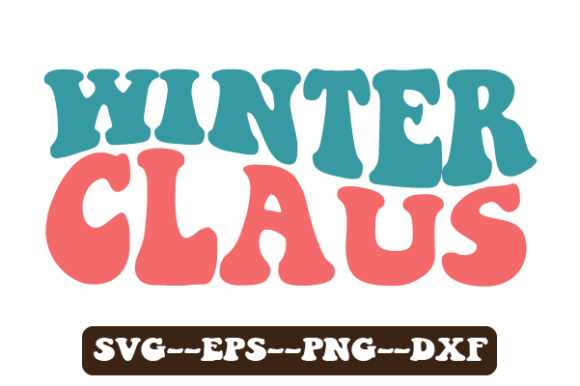
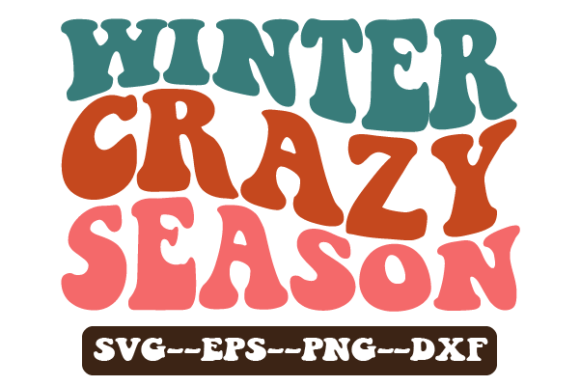
The first thing that strikes you about the Winter Crazy Season Retro Wavy Svg is its distinct personality. It does not try to be a traditional, stiff holiday motif. Instead, it leans into a playful, retro vibe that feels modern and fresh. The wavy lines suggest movement and whimsy, which is a welcome departure from the static snowflakes we see every December. For those of us in the Crafts and Graphics space, finding designs that bridge the gap between digital art and tactile stitching is crucial. This design feels like it belongs in a boutique setting rather than a generic big-box store aisle.
When I visualized this on a mockup, the layout felt balanced. However, as an experienced reviewer, I know that what looks good in vector format does not always translate perfectly to thread. The key question is: how do those wavy elements behave when converted into satin stitches or fill stitches? The organic nature of the waves suggests that careful attention to stitch direction will be necessary to maintain clarity.
Real-World Application: The Tote Bag Test
To truly evaluate this design, I imagined a specific scenario: creating a limited run of holiday gift sets for a local craft fair. I pictured using the Winter Crazy Season Retro Wavy Svg on a heavy canvas tote bag design. Canvas is forgiving, but it requires a sturdy approach. In this context, the design’s retro aesthetic pairs beautifully with natural fibers. I could see it working equally well as a sweatshirt embroidery piece, where the soft texture of fleece complements the playful lines.
For Etsy sellers and small shop product creators, versatility is king. This design could easily transition from apparel to home decor. Imagine it stitched onto a linen pillow cover or a kitchen towel. The "crazy" aspect of the title implies a fun, less formal approach, making it ideal for personalized gifts that do not take themselves too seriously. It fits the bill for a personalized gift that feels handmade and thoughtful without being overly sentimental.
Technical Considerations for Embroiderers
Here is where we need to get practical. The product description notes that you will receive DXF, EPS, and SVG files. It is important to clarify that these are primarily vector graphics formats often used for sublimation or cutting machines. If you are planning to use this as a direct embroidery file for your machine, you must ensure you have the proper software to convert these vectors into stitch data, or confirm if a dedicated embroidery format (like PES or DST) is included or available. Assuming you are digitizing this yourself or using a converter, keep the following in mind:
- Stitch Density: Wavy lines can become dense quickly. If you are using a fill stitch, reduce the density to prevent the fabric from pulling or puckering, especially on thinner materials.
- Hoop Size: Check the dimensions of the SVG before you start. Ensure it fits comfortably within your hoop size with enough margin for stabilization. Do not crowd the edges.
- Stabilizer Choice: For stretchy fabrics like t-shirts, a cut-away stabilizer is non-negotiable. For woven fabrics like tote bags, a tear-away might suffice, but test first.
If you are using this for sublimation as described, the process is different, but the design principles remain. The clarity of the lines in the SVG will determine how crisp the final print looks on mugs or shirts. For embroidery, however, the conversion from line to thread is where the magic—and the potential pitfalls—lie.
Where to Use It Carefully
Not every project is a good fit for this specific design. I would advise caution when attempting to stitch this on very small items, such as baby booties or tiny patches. The intricate nature of the "wavy" style might lose definition if scaled down too far. Tiny details can get lost in the stitch density, resulting in a blob rather than a clear shape. Always test the design on scrap fabric first. This is a golden rule for any commercial embroidery project.
Additionally, be mindful of dark fabrics. If the design relies on subtle contrasts, ensure your thread colors pop against the background. A retro design often uses muted or pastel palettes, which can disappear on navy or black garments unless you use a high-contrast underlay or choose brighter thread tones. For custom apparel, always provide your client with a digital mockup showing the thread colors on their chosen fabric to manage expectations.
Enhancing Brand Value and Customer Trust
Using unique assets like the Winter Crazy Season Retro Wavy Svg can significantly boost your brand’s perceived value. In a market saturated with generic clipart, offering products with distinctive, well-executed designs helps you stand out. Whether you are selling finished product items or design assets to other makers, quality matters. A clean, well-stitched design builds trust. Customers can spot a rushed job from a mile away. By taking the time to optimize this design for your specific machine and fabric, you demonstrate professionalism.
For digital embroidery file sellers, providing clear instructions on how to best use this SVG for both sublimation and embroidery conversion can set your listing apart. Include tips on stabilizer types and recommended thread weights. This added value encourages repeat buyers and positive reviews.
Final Designer Notes
Before you commit to a large batch of holiday embroidery projects, run a few tests. Try the design on different fabric texture types to see how the waves hold up. Compare light and dark backgrounds. If you are creating an applique design version, ensure the placement lines are accurate. Remember, while the source files are great for sublimation on mugs and pillows, translating them to thread requires a keen eye for detail.
The Winter Crazy Season Retro Wavy Svg is a promising addition to your library. It offers a fresh take on seasonal themes, suitable for everything from baby embroidery to boutique home decor. Just remember to respect the technical limits of your machine and materials. With proper preparation, this design can elevate your craft business offerings and delight your customers with its charming, retro flair.