Review: My Favorite Color İs Autumn Retro Wavy
As a designer who has spent countless hours digitizing patterns and testing them on various fabrics, I approach every new machine embroidery design with a mix of curiosity and caution. We have all been there: downloading a file that looks stunning on the screen but turns into a tangled mess of thread breaks and puckering once it hits the hoop. Recently, I came across My Favorite Color İs Autumn Retro Wavy, and I wanted to evaluate it not just as a digital asset, but as a viable component for real-world embroidery projects.
This piece falls under the broader categories of Crafts and Graphics, specifically marketed as a retro wavy SVG sublimation design. However, for those of us in the stitching community, the visual language of a design often translates across mediums. If a graphic has strong lines and balanced negative space, it often makes for an excellent candidate for adaptation or direct application in mixed-media crafts. Here is my practical breakdown of how this design performs when you move from the digital screen to the sewing room.
First Impressions and Visual Mood
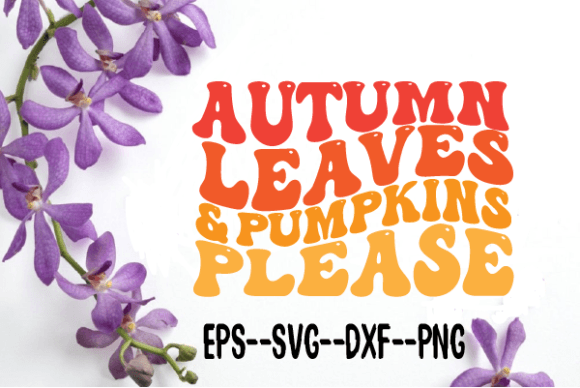
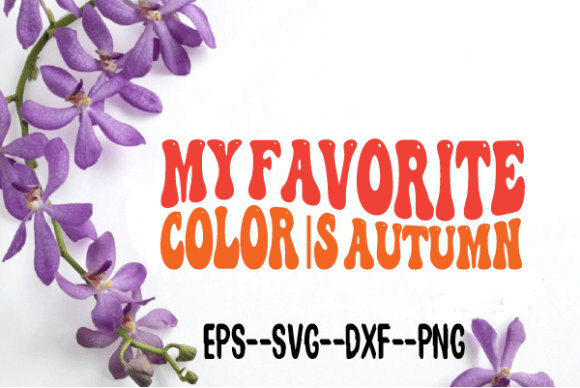
The immediate appeal of My Favorite Color İs Autumn Retro Wavy lies in its nostalgic aesthetic. The wavy lines evoke a sense of 1970s warmth, perfectly capturing the "autumn" vibe mentioned in the title. For an Etsy seller or small shop product creator, mood is everything. This design does not scream for attention with chaotic details; instead, it offers a calm, rhythmic flow that feels organic and inviting.
When I visualize this on a tote bag design or a cozy sweatshirt embroidery project, the retro waves provide a modern yet timeless look. It is the kind of motif that appeals to customers looking for something unique but not overly complex. The layout suggests a horizontal flow, which is ideal for chest placements on apparel or central positioning on home decor items like pillow covers and tea towels.
Real-World Application Scenarios
To truly test the viability of any design, I imagine it in specific client scenarios. Let’s say I am preparing a custom order for a boutique client who wants a line of autumn-themed personalized gift items. Here is how My Favorite Color İs Autumn Retro Wavy fits into that workflow:
- Custom Apparel: On a cream-colored linen shirt, the wavy pattern could serve as a subtle accent above the pocket. It adds character without overwhelming the garment.
- Home Decor: Imagine this stitched onto a heavy canvas tote bag. The retro waves would complement natural fiber textures beautifully, creating a high-end, artisanal feel that boosts brand consistency.
- Holiday Embroidery: For fall markets, this design works well on pumpkin-colored aprons or kitchen towels. It captures the seasonal spirit without relying on cliché leaf motifs.
For craft business owners, versatility is key. While the product description highlights its use for sublimation on mugs and pillows, the graphic nature of the waves means it can easily be adapted for heat transfer vinyl (HTV) or used as a template for hand-embroidered accents if you are running a hybrid handmade shop.
Technical Considerations for Stitching
Here is where we need to be realistic. The product details state that you will receive 1 DXF file and 1 EPS file. These are vector graphics formats, commonly used for cutting machines and sublimation printing, not native embroidery file formats like PES or DST. This is a crucial distinction for embroidery designers.
If you intend to stitch this design, you cannot simply load these files into your embroidery machine. You must first convert the vector shapes into stitches using digitizing software. This actually offers a significant advantage: control. Because you are working from clean vector lines (DXF/EPS), you can decide exactly how the satin stitch, fill stitch, or running stitch is applied. You can adjust the stitch density to suit your fabric choice, ensuring that the design does not become too stiff or dense.
However, this requires skill. If you are a beginner, be aware that converting wavy lines into embroidery requires careful attention to direction and underlay. Poor digitizing of curved lines can lead to gaps or uneven edges. I recommend testing your digitized version on scrap fabric first to check thread tension and coverage.
Fabric and Hoop Constraints
When using retro wave designs, the interaction with fabric texture is vital. On smooth cotton or polyester blends, the lines will appear crisp and clean. On textured fabrics like wool or heavy linen, the waves might get lost if the stitch count is too low. Conversely, if the density is too high on stretchy fabrics, you risk puckering.
Always use the appropriate stabilizer. For a design with continuous curves like this, a cut-away stabilizer is often safer for garments that will be washed frequently, while tear-away might suffice for decorative items like wall hangings. Also, consider your hoop size. Since the design features flowing waves, ensure your hoop is large enough to capture the full rhythm of the pattern without cropping essential elements.
Commercial Use and Brand Value
For commercial embroidery and digital product sellers, the clarity of the source file matters. DXF and EPS files are scalable without loss of quality, which is excellent for creating printable mockup assets or resizing the design for different products, from small embroidered patch applications to large blanket hems. This flexibility enhances the design assets value for your business.
Using a cohesive theme like My Favorite Color İs Autumn Retro Wavy helps build customer trust. When buyers see consistent, high-quality aesthetics across your finished product range, they perceive higher value. Whether you are selling baby embroidery items or custom apparel, a well-executed retro design signals professionalism.
Final Designer Notes
Before launching this into your production line, keep these practical tips in mind:
- Verify Licensing: Always confirm the license terms provided with the DXF and EPS files. Ensure you have commercial rights if you plan to sell physical items made with this design.
- Test Digitizing Settings: Since you are converting vectors to stitches, experiment with different stitch types. A narrow satin stitch might look elegant, while a fill stitch could make the waves pop more on dark fabrics.
- Color Contrast: Test the design in black and white mockups first. If the waves disappear in monochrome, the contrast may be too low for certain fabric combinations.
- Check Small Details: If you scale the design down for small items like caps or baby clothes, ensure the waves do not become too thin to stitch cleanly.
In conclusion, My Favorite Color İs Autumn Retro Wavy is a versatile graphic resource that, with proper digitizing and material selection, can elevate your handmade product offerings. It bridges the gap between digital Graphics and tactile Crafts, offering a stylish foundation for autumn-themed collections. Treat it as a raw material for your creativity, and it will serve your craft business well.